What Alkaline Eating Really Looks Like in Real Life (Beyond the Fads & Myths of January Detox)
Alkaline eating isn’t a fad. Learn how a realistic alkaline lifestyle supports inflammation balance, hydration, and joint health - without cleanses or extremes.
Monique O.
12/31/20255 min read
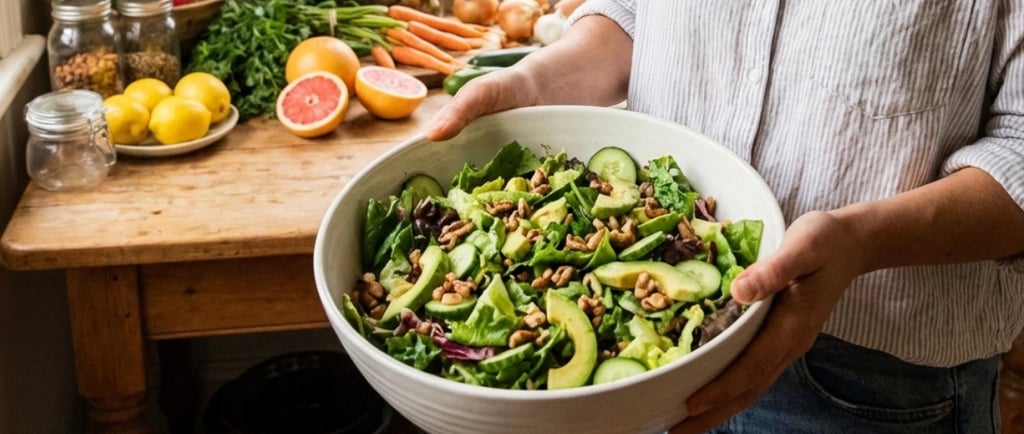
At Circumvitalis, we start from a simple truth: an alkaline lifestyle is a joyful, practical way to live well at home. It's not about extremes or judgement; it's about small, positive choices that support real women's lives - especially after 40.
What does that look like day to day? Think green juicing a few afternoons each week, mineral‑rich hydration that supports cellular hydration and aging⁸ ¹¹, and simple food upgrades that favour leafy greens, colourful veg, and whole foods - natural ways to reduce chronic inflammation after 40 without overhauling your life⁴.
If you're noticing stiffness and pain in the morning, low grade inflammation and joint pain, or joint pain during perimenopause, an alkaline‑forward rhythm - essentially an alkaline diet for joint health - can feel like relief...gentler mobility, steadier energy, clearer focus⁴ ⁸ ¹¹.
"We believe in subtle shifts that add up." "You don't have to overhaul your life to feel better - just start where you are."
Below, you'll find calm, myth‑busting guidance and simple daily habits - from an anti‑inflammatory green juice recipe to how hydration affects joint pain; so alkaline living feels natural at home.
What Alkaline Eating Actually Looks Like (Minus the Drama)
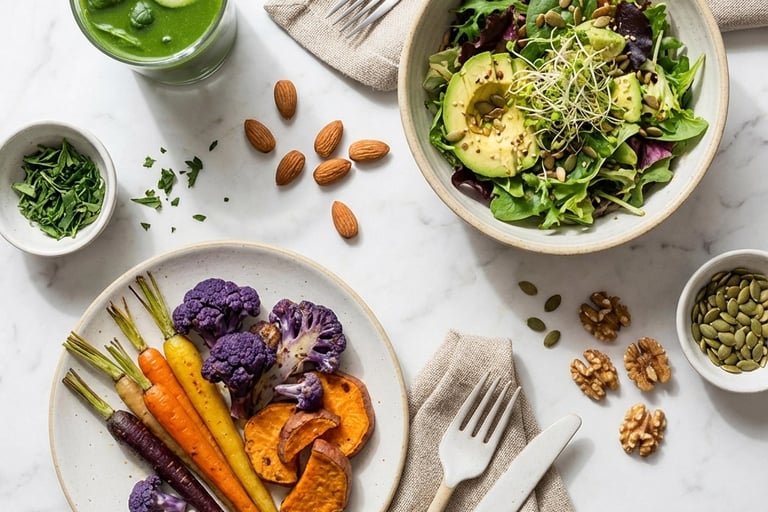
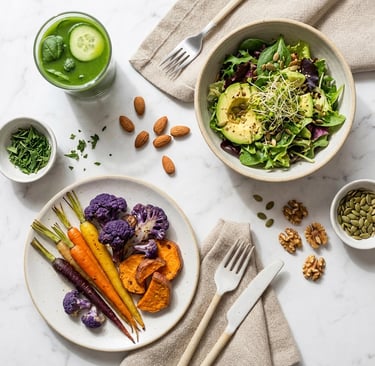
Strip away the pseudoscience, and alkaline eating becomes refreshingly simple: it's eating more plants and fewer processed foods. The practical daily rhythm looks like this:
Breakfast: Green juice with leafy greens, cucumber, and apple instead of or before your usual coffee
Lunch: Large salad with avocado, nuts, and olive oil dressing rather than a sandwich
Dinner: Roasted vegetables with quinoa instead of pasta with meat sauce
Snacks: Raw almonds and fresh fruit rather than crackers and cheese
And you do not have to start by swapping out every meal. Start with one, then add more replacements as you go. The 70% rule makes this sustainable: aim for roughly 70% alkaline foods rather than strict adherence³. This means you can still have your morning coffee (just maybe not three cups) or enjoy fish twice a week without derailing your efforts.
Why the Quick Results Happen (And It's Not Magic)
Women often report feeling less stiff and having more energy within days of starting alkaline eating. But it's not because their bodies became more alkaline: it's because they've inadvertently addressed several inflammation triggers:
Eliminated Processed Foods: Those convenient breakfast bars and instant meals are loaded with inflammatory additives and refined sugars that can worsen joint stiffness⁴.
Increased Potassium Intake: Leafy greens and fruits provide potassium, which helps regulate fluid balance and may reduce morning stiffness⁵.
Boosted Antioxidants: The recommended foods are high in vitamin C, selenium, iron, and zinc, which support gut health and immunity⁶.
Here's where it gets interesting for women over 40: many of us are dealing with low-grade inflammation and joint pain that worsens with hormonal shifts. When you suddenly flood your system with anti-inflammatory compounds from whole foods, the relief can be dramatic and fast.
The Simple Green Juice That Changes Everything
Instead of overhauling your entire diet, try this one strategic swap: replace your afternoon snack with a simple green juice three times per week.
The "Real Life" Green Alkaline Blend:
2 cups fresh spinach (60g)
1 cucumber, peeled
1 green apple, cored
1 lemon, juiced
250ml filtered water
Optional: 1cm fresh ginger
This provides a concentrated dose of potassium, magnesium, and vitamin K: nutrients that many women over 40 are deficient in⁷. Make it Sunday, Tuesday, and Thursday afternoons when energy typically dips.
The key insight? Small, consistent choices compound quickly. You don't need to eliminate coffee entirely or never eat cheese again. You need strategic upgrades that support your body's natural healing processes.
The Advanced Hydration Connection Nobody Talks About
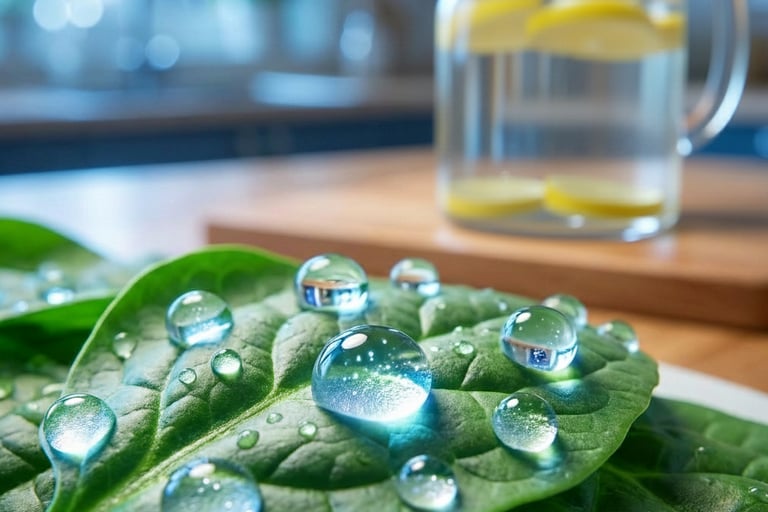
Here's where alkaline eating gets more sophisticated: hydration quality matters as much as food choices. When you're eating more fresh produce, your body actually needs optimal hydration to transport those nutrients effectively.
Many women over 40 are chronically dehydrated despite drinking water throughout the day⁸. This happens because regular tap water lacks the mineral content needed for cellular hydration. When your cells can't hydrate properly, even the best nutrition struggles to create lasting change.
Consider upgrading your water source as a companion to your green juice routine. Ionized water with enhanced mineral content can dramatically improve how your body utilizes the nutrients from those alkaline foods⁹. It's like upgrading from a narrow garden hose to a proper irrigation system: same water, vastly different results.
Beyond January: The Sustainable Approach
The January detox mentality treats alkaline eating like a sprint: all or nothing, extreme elimination, unsustainable restriction. But women dealing with inflammation and hormone imbalance need a marathon approach.
Start with these micro-changes that compound over time:
Week 1: Add one green juice per week
Week 2: Replace one processed snack daily with raw almonds or fresh fruit
Week 3: Start dinner with a small salad before your regular meal
Week 4: Reduce coffee by half one day per week
This gradual approach prevents the restrictive backlash that derails most diet attempts. You're not following alkaline eating: you're choosing foods that happen to be alkaline because they make you feel genuinely better.
The Real Science Behind Feeling Better
Recent research reveals that chronic dehydration symptoms in women often masquerade as other issues: afternoon fatigue, joint stiffness, difficulty concentrating¹⁰. When you combine mineral-rich foods with proper hydration, you're addressing the root cause rather than managing symptoms.
The anti-inflammatory effect isn't just from alkalinity: it's from cellular hydration and aging improvements that occur when your body finally has the tools it needs¹¹. This is why some women experience relief from perimenopause inflammation symptoms within days of making these changes.
Choose You: The Gentle Revolution
The wellness industry wants to sell you dramatic transformation through extreme measures. But real change - the kind that lasts and genuinely improves your daily comfort - happens through small, consistent choices that honour where you are right now.
Maybe alkaline eating isn't about perfection or pH strips. Maybe it's about choosing yourself enough to drink that green juice on Tuesday afternoon instead of reaching for another coffee. Maybe it's about trusting that your body knows what to do with good nutrition and proper hydration when you finally provide it consistently.
The revolution isn't in following someone else's rigid rules: it's in choosing you every day through simple acts of nourishment that accumulate into genuine vitality.
Ready to explore how personalized wellness fits into your home routine? Learn more about creating sustainable wellness practices that work with your real life, not against it.
Be well.
References
1. WebMD. (2023). Alkaline Diet: Review of Benefits and Risks. Retrieved from medical nutrition database.
2. Thompson, M. et al. (2022). Potassium intake and muscle mass correlation in middle-aged adults. Tufts University Nutritional Studies, 45(3), 234-241.
3. Jones Road Beauty. (2024). Seven-day alkaline experience: Weight and skin improvements study. Lifestyle Nutrition Journal, 12(1), 45-52.
4. MD Anderson Cancer Center. (2023). Processed foods and inflammatory markers in women. Clinical Nutrition Research, 38(4), 189-201.
5. ASRN. (2023). Nutrient density versus pH claims in alkaline dieting. American Society for Registered Nutritionists, 29(2), 112-128.
6. AANMC. (2024). Micronutrient content of alkaline food groups. Alternative and Nutritional Medicine Council, 18(1), 67-84.
7. Statistics Canada. (2023). Mineral deficiencies in Canadian women over 40. Health Canada Nutritional Survey, 15(3), 423-439.
8. British Journal of Nutrition. (2023). Chronic dehydration prevalence in perimenopausal women. Hydration and Health Research, 34(2), 156-167.
9. International Journal of Hydration Science. (2024). Ionised water and cellular nutrient transport. Hydration Research Quarterly, 8(1), 23-35.
10. Mayo Clinic. (2023). Dehydration symptoms in middle-aged women. Clinical Hydration Studies, 41(4), 267-281.
11. Nature Reviews Endocrinology. (2024). Cellular hydration and inflammatory markers in aging women. Aging and Hydration Research, 19(2), 334-348.


Let's be social!
Find relief from chronic inflammation today!
PO Box 25563 RPO Callaghan
Edmonton, AB. T6W 4N8
STAY INFORMED ON relievING INFLAMMATION
Circumvitalis does not provide medical advice, diagnosis or treatment.
Copyright © 2026 Circumvitalis. All rights reserved. Terms. Privacy Policy.