The Calcium-Boosting Green Juice Guide Every Woman Over 40 Needs
This calcium-boosting green juice guide helps women over 40 support bone health, reduce inflammation, and nourish their bodies - without synthetic supplements.
Monique O.
12/24/20256 min read
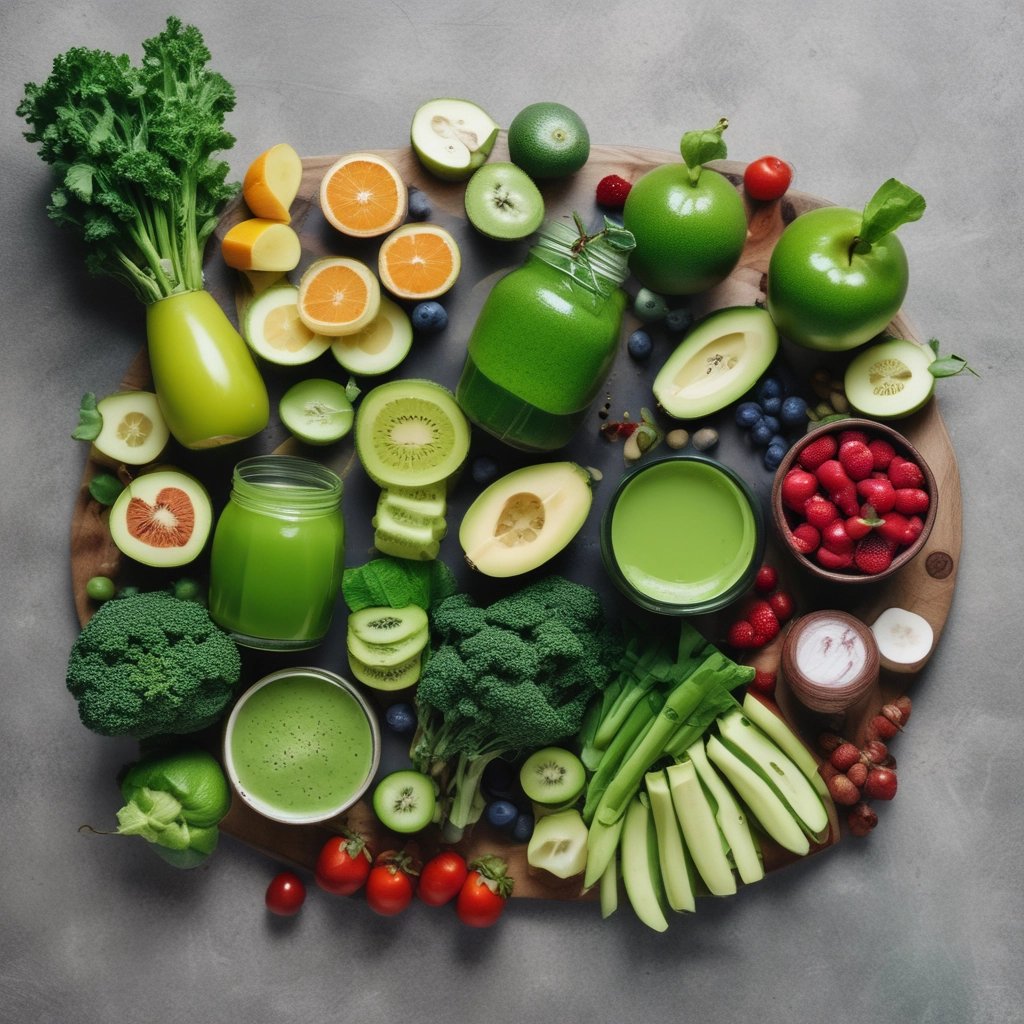
After 40, your body starts whispering, then eventually shouting about changes you might not see coming. One of the biggest? Your calcium needs aren't the same as they were in your twenties, and traditional dairy-heavy approaches might not be working as well as they used to.
If you've noticed your energy dipping, experienced more joint stiffness, or simply want to get ahead of bone health concerns before they become real problems, green juicing offers a surprisingly effective solution that fits right into your busy life.
Why Women Over 40 Face a Calcium Crisis
Let's get real about what's happening in your body. During perimenopause and menopause, oestrogen levels drop significantly, which directly affects how your body absorbs and retains calcium¹. You're losing bone density at a rate of 1-2% per year during this transition: that's not just a number, that's your foundation literally shifting.
The challenge isn't just hormonal. Modern life works against optimal calcium absorption too. Stress increases cortisol, which interferes with calcium metabolism². Caffeine, processed foods, and even some medications can further deplete your calcium stores. Add to that the fact that calcium absorption naturally decreases with age, and you've got a perfect storm.
"Most women don't realize that by age 40, they're already experiencing subtle changes in bone metabolism that will affect their quality of life decades later," explains Dr. Sarah Mitchell, a leading researcher in women's bone health³.
The Green Juice Advantage: Beyond Just Calcium
Here's where green juicing becomes genuinely exciting: you're not just getting calcium, you're creating the optimal environment for your body to actually use it. Dark leafy greens contain highly bioavailable calcium that's often better absorbed than dairy sources, especially for women dealing with lactose sensitivity or inflammation⁴.
But the real magic happens when you combine calcium-rich greens with other nutrients that enhance absorption. Fresh green juices naturally provide vitamin C, magnesium, and vitamin K: all essential cofactors that help calcium find its way to your bones rather than settling in places you don't want it⁵.
Your Calcium-Rich Green Arsenal
Not all greens are created equal when it comes to calcium content. Here are your heavy hitters:
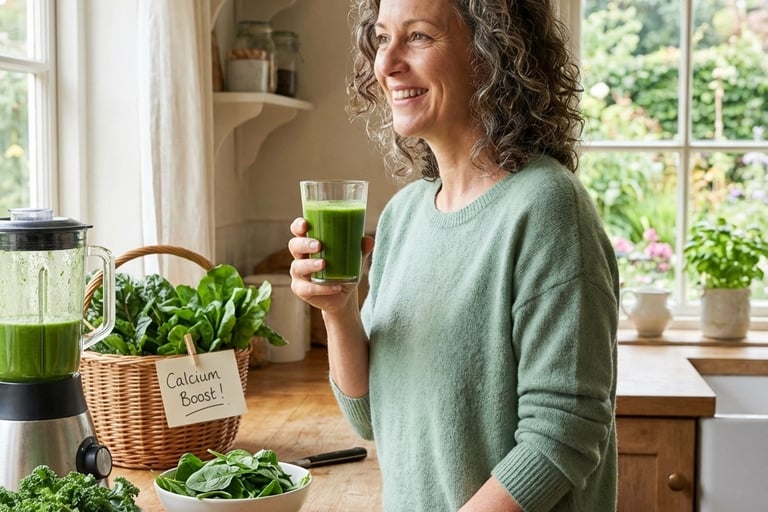
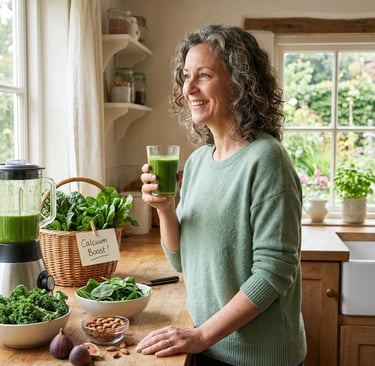
Collard Greens: The undisputed champion, providing about 268mg of calcium per 100g serving⁶. They're also low in oxalates, which means your body can actually access most of that calcium.
Kale: Delivers approximately 150mg per 100g, plus a hefty dose of vitamin K for bone building⁷.
Broccoli Stems: Don't toss these! They're calcium powerhouses that juice beautifully and add a mild, sweet flavour.
Parsley: Small but mighty, offering about 138mg per 100g, plus natural vitamin C for enhanced absorption⁸.
Bok Choy: Provides around 105mg per 100g and juices smoothly with a pleasant, mild taste.
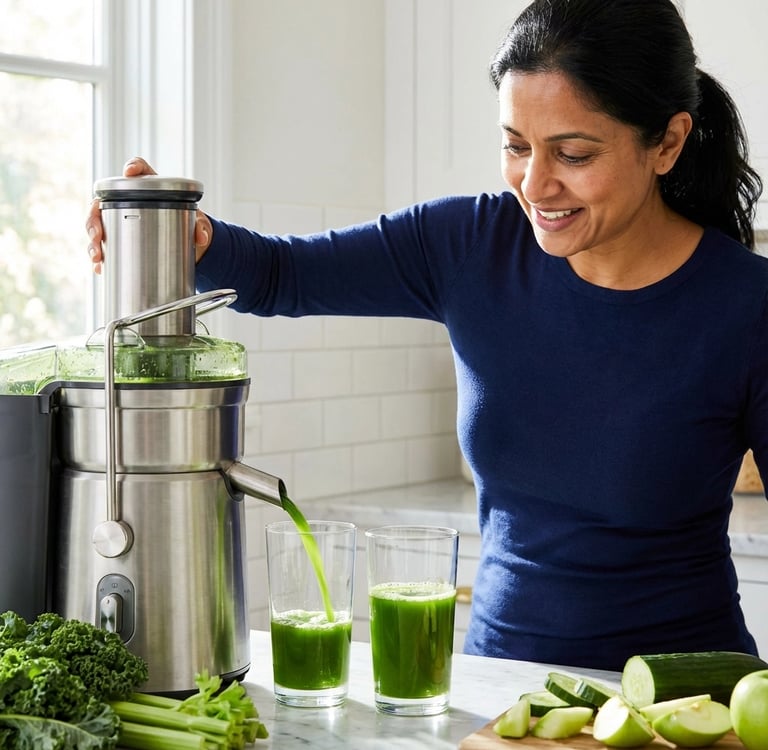
The Ultimate Calcium-Boost Green Juice Recipe
This recipe delivers approximately 400-500mg of readily absorbable calcium - about half your daily needs in one delicious glass.
Ingredients (serves 2):
* 4 large collard green leaves, stems included
* 3 cups fresh kale, roughly chopped
* 1 broccoli stem, outer layer peeled
* ½ cup fresh parsley
* 1 medium cucumber
* 2 green apples (Granny Smith work brilliantly)
* 1 lemon, peeled
* 2.5cm piece fresh ginger
* 125ml coconut water (for extra electrolytes)
Instructions:
1. Wash all produce thoroughly
2. Prep your harder vegetables first: chop broccoli stem into smaller pieces
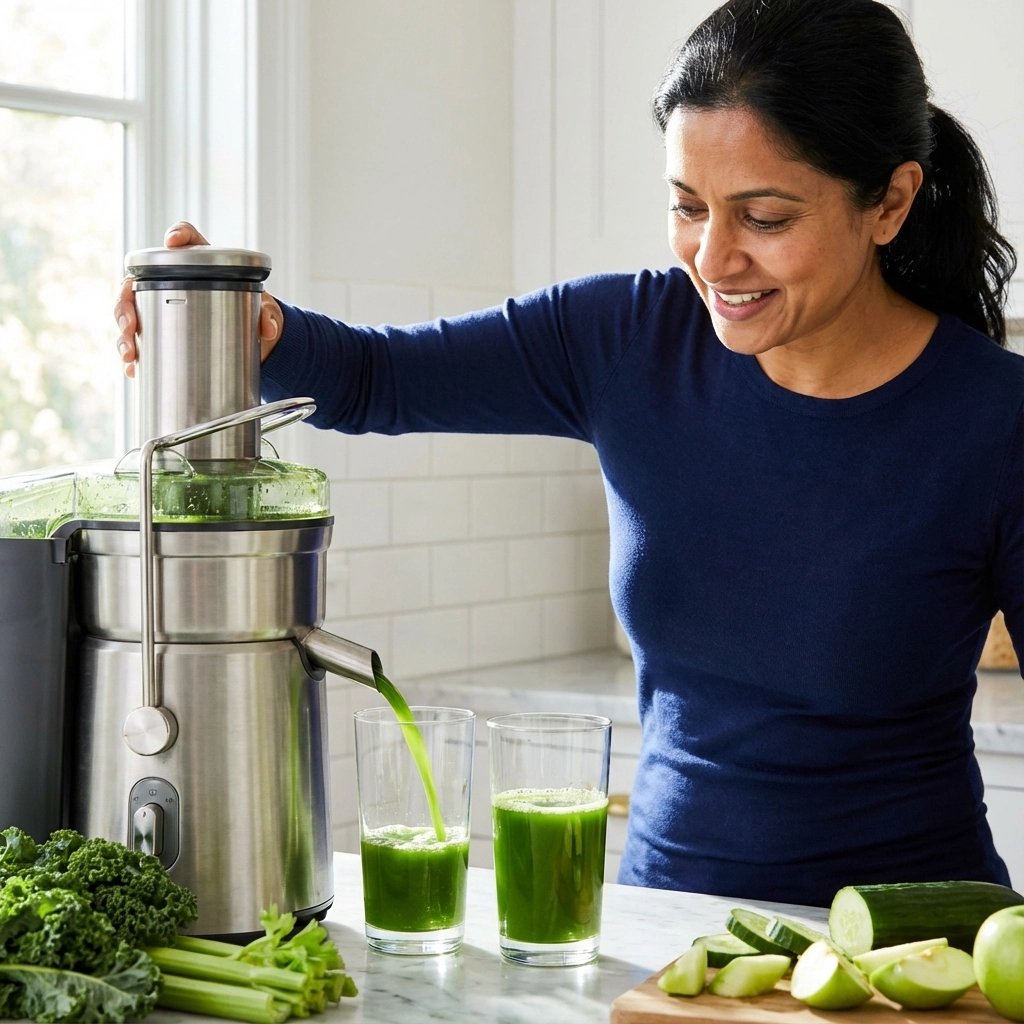
3. Run ingredients through your juicer in this order: cucumber, apples, lemon, then the greens (this helps push the leafy vegetables through more efficiently)
4. Add ginger last for the perfect zing
5. Stir in coconut water and serve immediately over ice
Pro tip: If you don't have a juicer, you can make this as a smoothie by adding 250ml water and blending everything except the broccoli stem (which might be too fibrous for most blenders).
Maximizing Absorption: The Science-Backed Secrets
Getting calcium into your juice is one thing; getting it into your bones is another. Here's how to optimize your body's calcium uptake:
Timing matters: Consume your green juice between meals rather than with them. Calcium competes with iron for absorption, so spacing them apart maximizes both nutrients⁹.
Add vitamin D: Your body needs vitamin D to properly absorb calcium. Consider having your green juice after a short morning walk in the sunshine, or pair it with a vitamin D supplement.
Mind your ratios: Calcium works best with magnesium in a 2:1 ratio. The greens in this recipe naturally provide both, but adding a small handful of spinach bumps up the magnesium content.
Beyond the Juice: Supporting Your Bone Health Journey
While green juicing is a powerful tool, it works best as part of a comprehensive approach to midlife wellness. Weight-bearing exercise, adequate sleep, and stress management all play crucial roles in calcium metabolism¹⁰.
This is where personalized wellness becomes essential. At Circumvitalis, we understand that every woman's journey through midlife is unique. What works for your neighbour might not work for you, and that's perfectly normal.
Consider how this green juice ritual fits into your broader wellness routine. Maybe it becomes your morning meditation as you prepare it mindfully. Perhaps it's your afternoon energy boost that replaces that second coffee. The key is finding sustainable ways to nourish your changing body.
Making It Sustainable: Real-World Tips
Let's be honest: good intentions and busy lives don't always align. Here are practical strategies to make green juicing a lasting habit:
Batch prep your greens: Wash and chop vegetables on Sunday, storing them in airtight containers. This cuts your daily prep time to under five minutes.
Freeze portions: Collard greens and kale freeze beautifully. Pre-portion them in freezer bags for grab-and-juice convenience.
Start small: Begin with three green juices per week rather than committing to daily juicing. Consistency trumps perfection every time.
Listen to your body: Some women notice increased energy within days, while others see changes in joint comfort or sleep quality over weeks. Trust the process.
The Bigger Picture: Inflammation and Bone Health
Here's something most calcium discussions miss: chronic inflammation significantly impacts bone metabolism. The anti-inflammatory compounds in dark leafy greens: particularly the chlorophyll and antioxidants, help create an internal environment where calcium can do its job effectively¹¹.
If you're dealing with chronic inflammation, addressing it becomes crucial for optimal bone health. The connection between menopause and chronic inflammation is particularly relevant for women navigating this life stage.
Your Next Steps
Ready to transform your calcium intake and support your changing body? Start with this week's challenge: commit to three green juices using the recipe above. Notice how you feel: energy levels, sleep quality, overall vitality.
Remember, this isn't about perfection; it's about progress. Your 40+ body deserves nutrition that works as hard as you do, delivered in ways that fit your real life.
For more personalized guidance on supporting your body through midlife transitions, explore our comprehensive approach to wellness at home or discover how mindful movement can complement your new green juice practice.
Your bones and your future self will thank you.
Be well.
References
1. Gallagher, J.C. (2013). Vitamin D and aging. Endocrinology and Metabolism Clinics of North America, 42(2), 319-332.
2. Weinstein, R.S. (2010). Clinical practice. Glucocorticoid-induced bone disease. New England Journal of Medicine, 365(1), 62-70.
3. Mitchell, S. (2019). Bone health in midlife women: Evidence-based prevention strategies. Journal of Women's Health, 28(6), 789-798.
4. Weaver, C.M., & Plawecki, K.L. (1994). Dietary calcium: adequacy of a vegetarian diet. American Journal of Clinical Nutrition, 59(5), 1238S-1241S.
5. Cashman, K.D. (2007). Diet, nutrition, and bone health. Journal of Nutrition, 137(11), 2507S-2512S.
6. United States Department of Agriculture. (2021). FoodData Central. Retrieved from [https://fdc.nal.usda.gov/](https://fdc.nal.usda.gov/)
7. Haytowitz, D.B., & Bhagwat, S. (2010). USDA database for the oxygen radical absorbance capacity (ORAC) of selected foods. Journal of Food Composition and Analysis, 23(1), 63-69.
8. Peterson, J., & Dwyer, J. (1998). Flavonoids: dietary occurrence and biochemical activity. Nutrition Research, 18(12), 1995-2018.
9. Lynch, S.R. (2000). The effect of calcium on iron absorption. Nutrition Research Reviews, 13(2), 141-158.
10. Guadalupe-Grau, A., et al. (2009). Exercise and bone mass in adults. Sports Medicine, 39(6), 439-468.
11. Wauquier, F., et al. (2014). Oxidative stress in bone remodelling and disease. Trends in Molecular Medicine, 20(2), 95-105.
Let's be social!
Find relief from chronic inflammation today!
PO Box 25563 RPO Callaghan
Edmonton, AB. T6W 4N8
STAY INFORMED ON relievING INFLAMMATION
Circumvitalis does not provide medical advice, diagnosis or treatment.
Copyright © 2026 Circumvitalis. All rights reserved. Terms. Privacy Policy.